Let’s be honest: the thought of overhauling your backyard usually brings on a mild panic attack about maxing out the credit card.
Here’s the truth, though: Designing a great outdoor area need not be extremely expensive. Whether you want to landscaping in Altona or simply refresh a suburban block at your place, the main secret is not just spending lots of money on the soil. That’s not the point. The wise way is to do smart preparation, reuse old materials, and opt for things that won’t mean you’re working every single weekend outside.
Would you like to increase your home’s attractiveness from the street but are not willing to spend a lot? Let’s get on with it.
Phase 1: The ‘Measure Twice, Cut Once’ Approach
Before you dash off to the nursery and start filling your trolley with all those gorgeous plants, why not give yourself a moment? Brew some tea, take a pencil and paper.
Roughly sketch out your yard. What do you actually want to do out there? Entertain? Let the kids run wild? Figuring this out early stops you from buying things you just don’t need.
Then, get your hands dirty and check your soil. It sounds tedious, but testing the pH and drainage is a massive step that most DIYers completely ignore. Skip it, and you’re essentially throwing your money straight into the compost bin when your new plants cark it.
Phase 2: Choosing the Right Greenery
When you’re pinching pennies, annuals are a bit of a trap. Sure, they look pretty for a season, but then they die off. You want perennials. They’re the mates that keep showing up year after year, saving you a fortune in long-term replacement costs.
Even better? Go native.
Australian flora are resilient, hardy to the point of almost indestructible. Most of them are accustomed to scorching summers, so a water bill which would make you cry might not be your problem. Going drought-tolerant with your choices such as architectural grasses or hardy succulents will not only keep your garden almost maintenance-free but also resistant to local pests.
Phase 3: Hardscaping on the Cheap
Poured concrete and premium pavers? Yeah, they’ll blow your budget out of the water.
So, pivot.
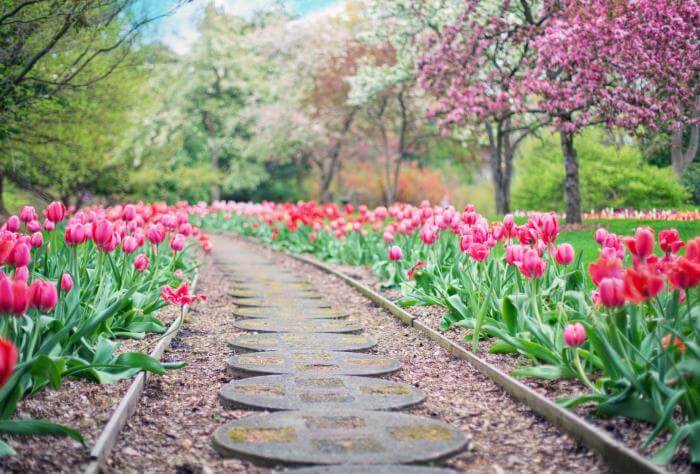
Crushed stone, pea gravel, or DIY concrete stepping stones are fantastic alternatives. They give you highly functional paths and fire pit areas for a fraction of the cost.
Creating distinct edges around your garden beds instantly makes a yard look polished and expensive. But ditch the pricey store-bought borders. Scavenge around! Leftover bricks, salvaged timber, or even recycled glass bottles buried neck-down make brilliantly quirky borders.
Of course, if the heavy lifting, like massive retaining walls or serious earthmoving, seems a bit out of your league, don’t risk a botched job. That’s when you call in professional landscapers in Altona to handle the structural headaches. You can always tackle the fun planting bit yourself to save some coin.
Phase 4: DIY Features and Lighting
You don’t necessarily need a designer catalogue to add some character to your garden. Simply take a look at all the junk lying around. For example, old wooden pallets, discarded car tyres, or even that rusted wheelbarrow at the back can all be transformed into stunning showpiece planters. All it takes is a layer of paint and some creativity.
Short of space? Then glance upwards.
Plain walls and fences are craving for vertical gardens or hanging pots. It brings in loads of greenery without taking up your delightful lawn space.
When the sun goes down, lighting makes all the difference. But don’t go to the trouble of wiring the entire yard. Solar-powered stake lights and LED pathway kits are very cheap today. Just plant them. No wiring, no expense for your power bill, and they look extremely warm and inviting.
Phase 5: The Long Game
Mulch is your best tool. Not only does it kill weeds, but it also retains moisture and gives a dirty garden bed an “after” look immediately. Always check with arborists or council offices near you, as they often have large quantities of woodchips that they give out for free.
Here is news that might not please impulsive gardeners: stop planting too many plants in a small area.
While it is very easy to stuff them all tightly so the garden looks ‘complete’ from the first day. Yet, do not as you will only have to give the plants more space once they mature. Besides, the lack of space between the plants means more diseases and higher costs as you will have to remove the plants later on.
Final Thoughts
Developing a stunning backyard has hardly anything to do with the amount of money you have in your account. Actually, it takes that you get involved through hands-on work, think a little creatively, and be patient.
Start small when dreams feel heavy. Pick just one thing this weekend – maybe clean the driveway or drop some seeds in soil. Begin anyway. Slow steps add up. A quiet piece of heaven grows where effort lands.